
Most of us clock out at five and head straight for the pub, but a growing crowd is finding a quieter way to unwind after work. Office responsible gambling isn’t about chasing losses on the commute or squeezing in a quick spin between emails – it’s about treating wagering like a planned break, with clear limits and a hard stop. I’ve spent the better part of my career shaping wagering and racing products at Picklebet, and the pattern is consistent: people who set boundaries before they log in tend to stay in the game longer without the stress. When the cost of living is biting and paydays feel further apart than they used to, that discipline matters more than ever.
Why a Workday Approach Changes the Pace
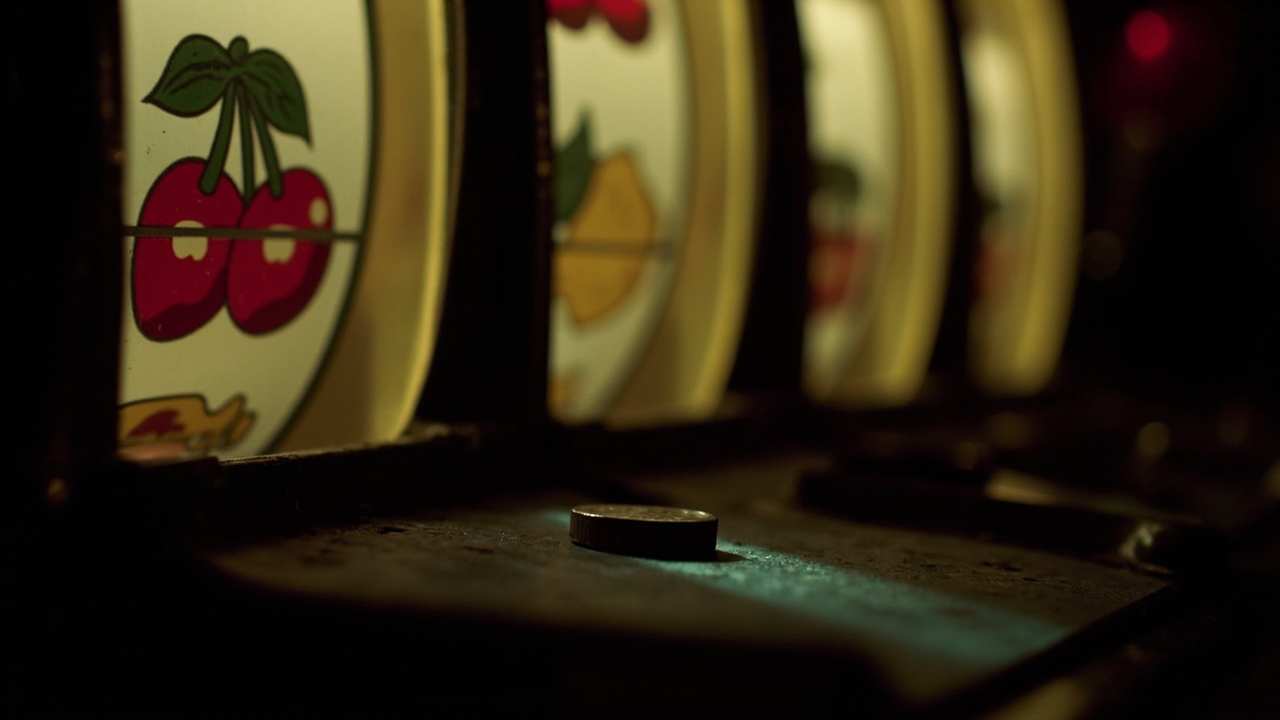
The usual rush into a session happens when you’re tired, bored, or chasing a quick win after a long shift, and that’s exactly when judgment gets sloppy. A workday approach flips the script by treating play as a scheduled pause rather than a reflex. You pick a window, set a spend cap, and walk away when the timer says so, which is a lot easier to stick to than trying to rely on willpower alone. I’ve watched users who treat their evening session like a booked appointment – same time, same limit, same exit – report far fewer regrets than those who drift in after a couple of drinks. The trick is to make the boundary part of the routine, not an afterthought you negotiate with yourself halfway through.
Games, Limits, and the Reality of Dead Spins
Inside the product, the focus lands on straightforward titles with transparent rules and built-in break prompts. You’ll find a mix of digital table games and a few licensed providers that keep the pace measured rather than frantic. One of the older curiosities on the floor is Fan-Tan, an ancient Chinese betting game using a pile of small beads or buttons, where the outcome hinges on a simple count rather than layered mechanics. It’s the kind of slow-burn option that suits a planned session, because you’re not watching a ladder of near-misses pile up. The honest truth is that dead spins produce no win at all and are the most common outcome, so a capped bankroll and a preset stop-loss keep those quiet rounds from eating into your entertainment budget. When I’m judging a product’s UX, I look for whether the session tools are visible before you deposit, not buried behind a menu you only find after things go sideways.
Bonuses That Actually Fit a Working Schedule
Promotions get a bad rap when they’re dressed up as free money, but a sensible offer structure can slot into a working rhythm without dragging you into extra risk. The better setups lay out the wagering requirements up front, spell out which games contribute, and cap the bonus at a level that doesn’t encourage you to overplay just to clear it. Eligibility rules stay simple, recurring promos don’t ambush you with hidden clocks, and contribution limits keep the maths readable. I’ve seen too many products where the bonus terms are longer than the actual game loop, which is a design failure, not a feature. A well-built welcome offer should feel like a modest head start, not a pressure valve that pushes you past your usual limit. If you want to compare timing against notes on Perth gambling forums, where slow transfers get flagged fast, you’ll notice the products that respect your time tend to earn the steadiest feedback. mines-game-au.com
Payments, Mobile, and Keeping It Local
Money movement should be as boring as a payslip – quick to read, easy to track, and free of surprises. A sensible setup keeps deposits and withdrawals in one currency, shows pending status clearly, and doesn’t make you jump through verification hoops after every session. Mobile play works best when the same limits and tools follow you from desktop to phone, so you’re not tempted to reset your boundaries just because you’re on the couch. Support that actually answers on the first touch matters more than a flashy loyalty ladder that rewards volume over sense. Out here in Adelaide, where a long arvo at the races or a quiet night in can both turn into a betting session, the products that stick are the ones that don’t pretend to be something they’re not. For a broader sense of how local media covers the space, you can always cross-check with Australian public broadcasting, which tends to keep the focus on harm minimisation rather than hype. And if you’re weighing how a product fits a regional crowd, the chatter on Perth gambling forums often surfaces the practical gripes faster than any polished landing page.
A Quick Word on Legends and Local Play
It’s worth remembering that skill and luck have always shared the same floor, and the stories that stick around usually belong to people who knew the game well enough to stay disciplined. Joe Hachem, an Australian, won the WSOP Main Event in 2005, and that kind of result comes from reading the room as much as reading the cards. The same discipline applies to a casual office session: know your limit, know when to step back, and don’t confuse a lucky run with a new strategy. Play stays recreational when you treat it like a planned break, keep the numbers visible, and walk away when the window closes. Have you tried setting a hard stop before a session and actually stuck to it, or do you reckon a mate would benefit from a clearer routine – drop a comment or send this along to someone who could use the nudge?
